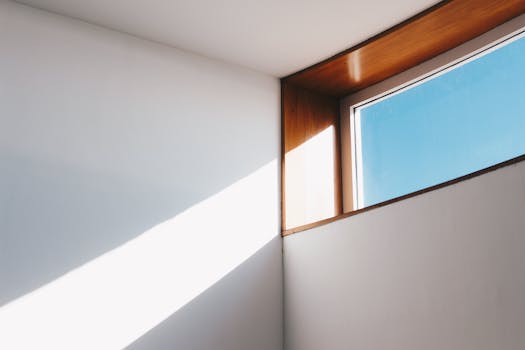

Imagine walking into a room where the windows themselves respond to your needs, subtly tinting to block the glare of the afternoon sun or becoming completely opaque at the flick of a switch for instant privacy. This isn’t science fiction anymore; it’s the reality being sculpted by smart glass windows. For years, windows have been passive barriers, merely letting in light and offering views. But as technology advances, they’re evolving into dynamic interfaces, actively contributing to the comfort, efficiency, and aesthetic appeal of our homes and workplaces.
The journey of window technology has been one of constant innovation, from early improvements in glass clarity and insulation to the sophisticated digital integration we see today. Smart glass, in particular, represents a significant leap forward, fundamentally changing how we interact with our immediate surroundings and the natural elements outside. It’s more than just a material; it’s a system designed to enhance our living and working spaces in ways we’re only beginning to fully explore.
The Magic Behind the Tint: Understanding Smart Glass Technologies
At its core, smart glass is about controlled light transmission. But how does it achieve this seemingly magical feat? There are several primary technologies that power these intelligent windows, each offering unique benefits and applications.
#### Electrochromic Glass: The Gradual Chameleon
Perhaps the most common and intuitive type of smart glass is electrochromic glass. This technology works by applying a low voltage to a thin layer of electrochromic material sandwiched between two panes of glass. When a current is applied, ions move within the material, changing its color and opacity.
How it Works: Think of it like a dimmer switch for natural light. A small electrical charge causes the glass to darken progressively, blocking more sunlight and heat. Reversing the charge allows it to become clear again.
Key Benefits: This offers a smooth, gradual transition, allowing for fine-tuned control over light levels. It’s also very energy-efficient, as it only consumes power while changing tint.
#### Suspended Particle Device (SPD) Glass: Instant Privacy on Demand
For applications where immediate privacy is paramount, Suspended Particle Device (SPD) glass is a compelling choice. This technology uses tiny particles suspended in a liquid film, which align themselves when an electric field is applied.
Instant Transformation: Unlike electrochromic glass, SPD glass can transition from completely transparent to fully opaque almost instantaneously. This makes it ideal for conference rooms, operating theaters, or anywhere a quick change of scenery or privacy is needed.
Control Options: SPD glass can be controlled with a simple on/off switch, a remote, or even integrated into building automation systems for automated privacy settings.
#### Thermochromic Glass: Responding to Temperature
While less common in typical building applications and more prevalent in niche areas like solar control, thermochromic glass offers an interesting passive approach. This type of glass changes its tint in response to temperature. As the ambient temperature rises, the glass darkens, blocking more solar heat gain. When temperatures cool, it becomes clearer again.
Passive Energy Savings: It requires no electricity, making it a sustainable option for reducing cooling loads in warmer climates.
Limited Control: The primary limitation is its lack of direct user control; it’s purely reactive to environmental conditions.
Beyond the Tint: Unlocking the Advantages of Smart Glass Windows
The ability to control light and privacy is a significant draw, but the benefits of smart glass windows extend far beyond these fundamental functions, impacting energy efficiency, occupant comfort, and even the aesthetic design of buildings.
#### Supercharging Energy Efficiency and Sustainability
One of the most compelling arguments for adopting smart glass is its potential to dramatically reduce energy consumption. By intelligently managing solar heat gain and glare, these windows play a crucial role in reducing reliance on artificial lighting and cooling systems.
Reduced Cooling Loads: During hot summer months, smart glass can tint automatically, preventing excessive solar heat from entering the building. This directly translates to less work for air conditioning units, leading to lower electricity bills and a reduced carbon footprint.
Optimized Natural Light: In cooler periods or on overcast days, the glass can remain clear, maximizing natural daylight. This minimizes the need for electric lighting, further conserving energy and creating a more pleasant interior environment. This dynamic light management is a key differentiator compared to traditional, static windows.
#### Enhancing Occupant Comfort and Well-being
Beyond the functional benefits, smart glass significantly contributes to the overall comfort and well-being of people within a space. The ability to control direct sunlight and glare can transform an otherwise uncomfortable environment into a more productive and pleasant one.
Eliminating Glare: Office workers often struggle with screens reflecting sunlight. Smart glass allows them to block that glare without sacrificing natural light, improving focus and reducing eye strain.
Thermal Comfort: By mitigating harsh sunlight and heat buildup, smart glass helps maintain more stable indoor temperatures, reducing the need for constant thermostat adjustments.
Privacy and Serenity: The instant privacy offered by some smart glass technologies provides a sense of security and peace, allowing individuals to work or relax without feeling exposed.
#### Revolutionizing Architectural Design and Aesthetics
The integration of smart glass isn’t just about functionality; it also opens up new avenues for architectural design. The ability to dynamically alter a building’s appearance and light transmission can lead to more creative and adaptable structures.
Dynamic Facades: Imagine a building facade that changes its appearance throughout the day, subtly shifting in tint and reflectivity. This creates a visually engaging and ever-evolving architectural statement.
Streamlined Interiors: By reducing the need for blinds and curtains, smart glass can contribute to cleaner, more minimalist interior designs, offering unobstructed views when desired.
Maximizing Views: Users can enjoy panoramic views without the discomfort of excessive sunlight or the need for unsightly window coverings.
Integrating Smart Glass Windows: What to Consider
While the allure of smart glass is undeniable, successful integration requires careful planning and consideration. Understanding the nuances of different technologies and their compatibility with your project is key.
#### Choosing the Right Technology for Your Needs
As we’ve discussed, different smart glass technologies serve different purposes. Electrochromic glass is excellent for gradual light control and energy savings, while SPD glass excels at instant privacy. Thermochromic offers passive benefits in specific climates.
Application: What is the primary goal? Is it energy efficiency, privacy, glare reduction, or a combination?
Control Method: Do you need manual control, automated integration with a smart home system, or a completely passive solution?
Aesthetics: Consider how the tinting technology will affect the visual appearance of the glass and the building.
#### Installation and Maintenance Considerations
Installing smart glass is more complex than fitting standard windows. It involves electrical connections and often requires specialized installers.
Power Requirements: Ensure adequate and safe electrical supply to each window unit.
System Integration: For automated systems, seamless integration with building management or smart home platforms is crucial.
Durability: Modern smart glass is designed for longevity, but it’s wise to understand the warranty and any specific maintenance recommendations from the manufacturer.
The Future is Transparent (or Opaque, When You Want It To Be)
The evolution of smart glass windows is a testament to human ingenuity, transforming a centuries-old building element into a sophisticated technological component. As these technologies become more accessible and versatile, they are poised to play an even more significant role in shaping sustainable, comfortable, and aesthetically pleasing living and working spaces. From reducing our environmental impact to enhancing our daily lives, smart glass is not just a trend; it’s a fundamental shift in how we build and experience our world. The ability to dynamically control our environment at the window level offers an unprecedented level of control and comfort, heralding a new era for architectural innovation.
Final Thoughts: Embracing the Intelligent Window
The implications of smart glass windows are profound. They offer a tangible solution to many of the challenges faced in modern building design, from energy consumption to occupant comfort. As the technology matures and costs continue to decrease, we can expect to see these intelligent windows become increasingly commonplace. They represent a future where our built environments are not just static structures but responsive, adaptive, and deeply integrated with our needs and the natural world. It’s an exciting prospect, and one that promises to make our spaces smarter, more sustainable, and ultimately, more livable.