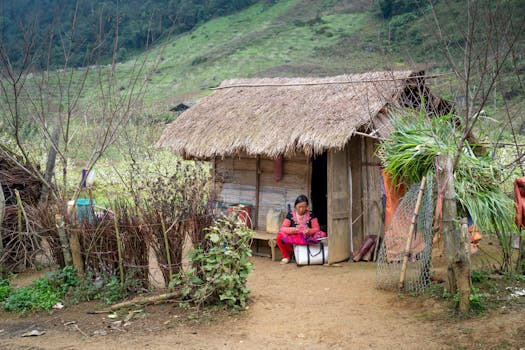

The allure of the province lifestyle often conjures images of rolling hills, quiet evenings, and a simpler existence, a stark contrast to the relentless hum of urban centers. While this romanticized vision holds undeniable appeal, a deeper dive reveals a more intricate tapestry of experiences, challenges, and profound satisfactions. For those contemplating a significant shift from city living, understanding the granular realities of province life is paramount. It’s not merely a change of scenery; it’s a fundamental recalibration of daily rhythm, social interaction, and personal engagement with the environment.
The Unvarnished Truth of Rural Pace
One of the most significant draws, and perhaps one of the most misunderstood, is the perceived “slower pace” of life. This isn’t always about less activity, but rather a different kind of activity. In urban environments, our time is often dictated by commutes, appointments, and a constant barrage of notifications. Province living, however, tends to align more closely with natural cycles. This can mean longer stretches dedicated to specific tasks, whether it’s tending a garden, undertaking a DIY project, or simply enjoying an uninterrupted conversation.
However, this slower pace can also present its own set of challenges. The convenience of immediate access to goods and services often diminishes. A spontaneous late-night craving for a specific ingredient might mean a considerable drive, and specialist services may require extensive travel. This necessitates a more proactive and planned approach to daily living, moving away from the instant gratification model. It’s about embracing a deliberate existence, one where planning ahead isn’t a chore but a necessity for smooth sailing.
Navigating the Social Fabric: Community vs. Isolation
The community aspect of province lifestyle is frequently lauded. Indeed, smaller towns and rural areas often foster a stronger sense of collective identity and mutual support. Neighbors tend to know each other, and there’s a greater likelihood of participation in local events and initiatives. This can be incredibly rewarding, offering a sense of belonging that can be harder to find in sprawling metropolises.
Yet, it’s crucial to acknowledge the potential for isolation. For newcomers, integrating into established social circles can take time and effort. The sheer reduction in population density means fewer opportunities for casual encounters, and social circles can be tighter-knit. Furthermore, if one’s interests are highly niche, finding like-minded individuals might become a significant undertaking. This isn’t to say the province is unwelcoming, but rather that building meaningful connections often requires intentionality and a willingness to step outside one’s comfort zone. It’s about understanding that while community is often present, it must also be actively cultivated by the individual.
Economic Realities and Opportunity Landscape
When considering the province lifestyle, the economic implications are often a primary concern. Job opportunities in rural areas can be vastly different from urban settings. While certain sectors, like agriculture, natural resources, or specialized local trades, may thrive, others might be scarce. This can present a significant hurdle for individuals whose careers are tied to industries prevalent in cities.
The rise of remote work has begun to bridge this gap, offering greater flexibility. However, reliable internet infrastructure – a critical enabler of remote work – can still be a variable in many rural locations. Beyond employment, the cost of living can be a complex equation. While housing costs might be lower, other expenses, such as transportation (due to longer distances) and utilities (especially for properties with more land), can offset these savings. A thorough analysis of local economic conditions and infrastructure availability is indispensable. It’s about looking beyond the surface-level perception of ‘cheap living’ and delving into the tangible financial implications.
The Environmental Connection: A Deeper Symbiosis
Perhaps the most profound shift inherent in province living is the heightened connection to the natural environment. The daily presence of open spaces, cleaner air, and the changing seasons fosters a different relationship with the planet. This can lead to increased physical activity, greater appreciation for nature’s rhythms, and a more sustainable mindset. Many find immense peace and rejuvenation in this direct engagement with the natural world.
This immersion, however, also brings a greater awareness of environmental stewardship and the inherent responsibilities that come with it. Managing land, understanding local ecosystems, and dealing with the practicalities of rural living – from waste management to water sources – become integral parts of the lifestyle. It’s a symbiotic relationship; the land provides, but it also demands respect and care. This profound connection, while deeply rewarding, requires an attunement to ecological cycles and a commitment to responsible land use.
Practical Considerations for a Successful Transition
For those seriously considering a move, several practical aspects warrant meticulous attention.
Infrastructure Assessment: Beyond internet, investigate local utilities, emergency services, and road maintenance.
Healthcare Access: Understand the proximity and availability of medical facilities, including specialists.
Transportation: Evaluate personal transportation needs and the reliability of public transit if available.
Local Economy and Employment: Research job markets or explore remote work feasibility.
* Social Integration: Be prepared to actively participate in community events and build new relationships.
## Embracing the Province Lifestyle: A Measured Approach
Ultimately, the province lifestyle is not a monolithic experience; it’s a spectrum of realities influenced by geography, community, and individual perspective. It offers a compelling alternative for those seeking a life more deeply rooted in natural rhythms and community bonds, but it demands a realistic appraisal of its challenges alongside its considerable rewards. Moving to the province is less about escaping the city and more about intentionally designing a different way of life, one that requires foresight, adaptability, and a genuine appreciation for the nuanced beauty of a life lived closer to the earth. My advice? Visit for extended periods, talk to locals, and truly immerse yourself before making the leap.